







What medications are there for COPD?
There isnโt a cure for COPD, and it isnโt reversible, but thereโs a range of treatments available that can help manage and improve your symptoms.
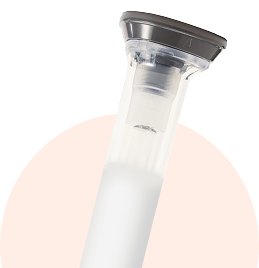
Most are inhalers, and there are two main types:
Bronchodilators. These open the airways, allowing air to flow more freely through them. This helps to relieve symptoms such as wheezing and breathlessness. The two main types of bronchodilators are beta-2 agonist inhalers and antimuscarinic inhalers.
Beta-2 agonist inhalers work by relaxing the muscles and helping to dilate (widen) the airways, whereas antimuscarinic inhalers reduce tightness in the muscle wall of your respiratory passages. These can be used for short-term and immediate relief, and are usually used a few times a day to help improve symptoms.
If your symptoms persist, you might use a long-acting bronchodilator. These work in a similar way to short-acting bronchodilators, but each dose will last for a longer period (usually 12 hours or more). As a result, they donโt need to be used as often (maybe only once or twice a day).
Steroid inhalers. These are usually prescribed to work alongside a bronchodilator. They contain corticosteroid medicines, which can help to reduce inflammation in the airways.
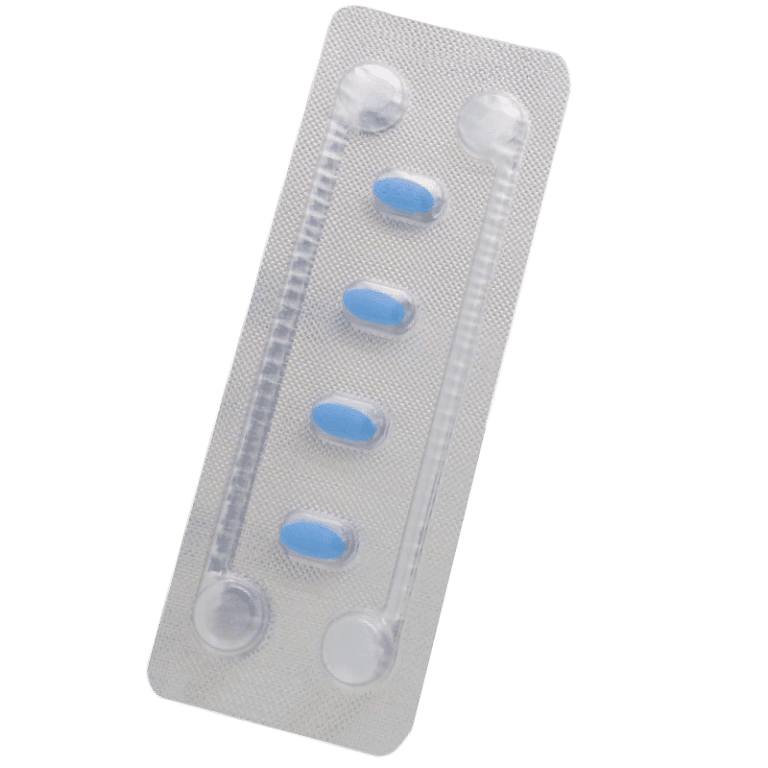
Tablets or capsules might also be prescribed, such as theophylline tablets. They are a type of bronchodilator that can help to reduce swelling in the airways and relax the muscles that line them.
Is there a โbestโ treatment for COPD?
This will depend on your symptoms. Treatments are often combined to help them be more effective. If youโre not sure what treatment might be best for you, we can help you narrow down some options.
Besides treatment, there are other things you can do to help COPD. Always try to reduce exposure to any harmful chemicals or irritants wherever possible, and try to quit or cut down on your cigarette use if youโre a smoker.
Gentle exercise can increase breathing ability, help ease symptoms, and prevent severe attacks as well.
How we source info.
When we present you with stats, data, opinion or a consensus, weโll tell you where this came from. And weโll only present data as clinically reliable if itโs come from a reputable source, such as a state or government-funded health body, a peer-reviewed medical journal, or a recognised analytics or data body. Read more in our editorial policy.