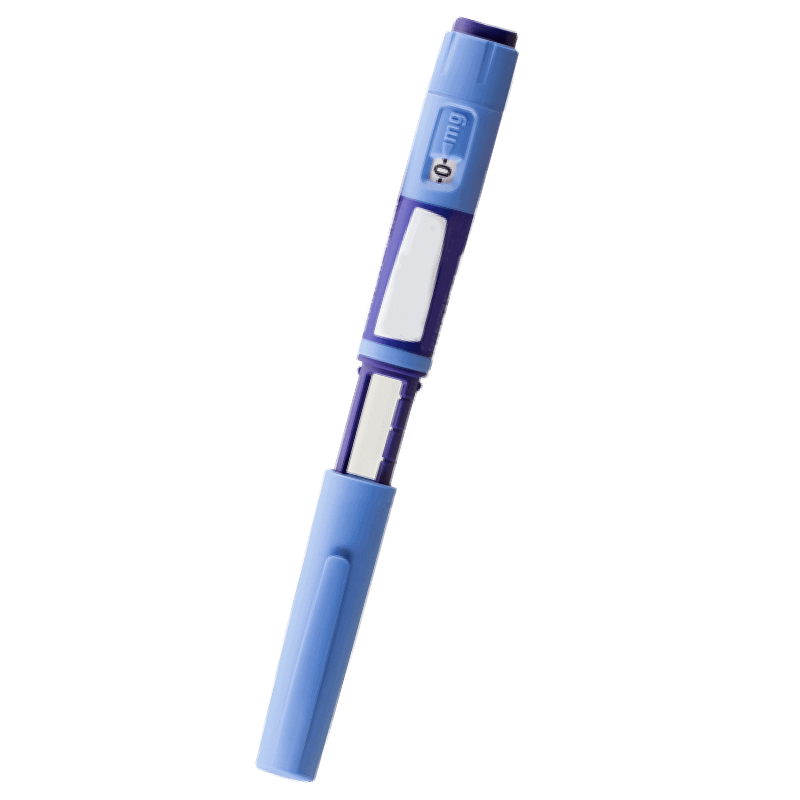
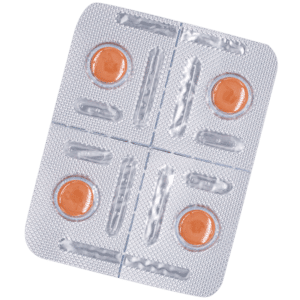
What is Dicyclomine?
Dicyclomine pills are a prescription medicine used to relieve and manage symptoms of IBS, like stomach pain, cramping, and diarrhea. The stomach pain and cramping that characterizes IBS is caused by the muscles around your digestive tract contracting and spasming. Dicyclomine helps to relax these muscles to reduce pain and intestinal movement.
How does Dicyclomine work?
Dicyclomine is a type of muscarinic receptor antagonist. Muscarinic receptors are found on smooth muscle in your gastrointestinal tract. They’re activated by a neurotransmitter called acetylcholine, which causes these muscles to contract. If you have IBS, these muscles can contract too strongly or frequently, disrupting how food moves through your GI tract and causing pain and discomfort.
Dicyclomine binds to these muscarinic receptors to inhibit the effects of acetylcholine on them. This should reduce how often and strongly these muscles contract, decreasing intestinal motility (how often you need to go) and cramping.1
How do Dicyclomine doses work?
Dicyclomine comes in two doses: 10 mg capsules and 20 mg tablets. Right now, we only offer the 10 mg tablets to treat IBS.
What is the active ingredient in Dicyclomine?
Dicyclomine is a generic medicine that’s named after its active ingredient: dicyclomine hydrochloride. It’s a type of anticholinergic, which means it interferes with the action of the neurotransmitter acetylcholine.
Usually, acetylcholine activates receptors on the smooth muscle around your digestive tract (called muscarinic receptors), which tells them to contract. Dicyclomine hydrochloride binds to these receptors so that acetylcholine can’t, which should reduce how often and strongly the muscles contract. This helps relieve pain, cramping, and diarrhea associated with IBS.
Treated trusted source:
- LiverTox. (2017). Dicyclomine. LiverTox: Clinical and Research Information on Drug-Induced Liver Injury. Bethesda (MD): National Institute of Diabetes and Digestive and Kidney Diseases.
How we source info.
When we present you with stats, data, opinion or a consensus, we’ll tell you where this came from. And we’ll only present data as clinically reliable if it’s come from a reputable source, such as a state or government-funded health body, a peer-reviewed medical journal, or a recognised analytics or data body. Read more in our editorial policy.