





What medications are there for dyshidrotic eczema?
Treatments for dyshidrotic eczema are prescribed to control your blister eruptions. Because the symptoms tend to come and go, they can occur over the course of several months or even years.
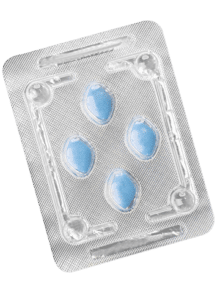
The options you’re recommended will depend on the severity of your symptoms, and how the blisters are affecting you. Typically, treatment involves using moisturizers, steroid creams, and ointments. Antiseptic soaks (such as Burow’s solution) might be suggested if your blisters are leaking, as they can help kill bacteria like Staphylococcus aureus. This process can sometimes be painful though, so antibiotics tend to only be prescribed if your blisters are infected.
Topical steroids that might help clear your blisters include active ingredients like betamethasone, clobetasol, and hydrocortisone, among others. Creams are a safe option for skin that is moist, which might be the best option if your blisters are leaking.
Emollients like Aquaphor are designed to restore your skin’s natural barrier. These might be suggested if your skin’s become dry or broken. Our doctors will ask you about your symptoms, and recommend a treatment they think will be best for your specific needs.
Are dyshidrotic eczema treatments available over the counter?
Moisturizers and emollients are widely available over the counter from pharmacies. They can help soothe inflamed and damaged skin by relieving dryness, and often contain added ingredients, such as vitamin E, that can help repair skin.
Milder versions of corticosteroids like hydrocortisone are sometimes available as part of topical formulas you can buy without a prescription, but they might not be suitable to treat your dyshidrotic eczema. Our doctors will only prescribe medications they think are safe for you to use, with your health background and any factors that might make a treatment unsuitable taken into account.
Does dyshidrotic eczema always need treatment?
Dyshidrotic eczema symptoms can occur sporadically, and often return over time. Treatments can help relieve the discomfort the blisters cause, but some people might find their skin heals without the need for any medication.
As with all dermatological conditions, keeping on top of flare-ups can often come down to a personal skincare routine. Because dyshidrotic eczema tends to affect people long-term, you might find your own approaches mean you can eventually rely less on medication, and instead use practical measures to relieve your symptoms.
Avoiding detergents or soaps that irritate your skin, washing your hands with lukewarm water and using fragrance-free soaps and perfumes can all help improve your blisters. Choosing certain materials for socks and hosiery, such as nylon, can also help.
How we source info.
When we present you with stats, data, opinion or a consensus, we’ll tell you where this came from. And we’ll only present data as clinically reliable if it’s come from a reputable source, such as a state or government-funded health body, a peer-reviewed medical journal, or a recognised analytics or data body. Read more in our editorial policy.