VerifiedFact Checked
What are the best treatments for vaginal yeast infections?

What are the best treatments for vaginal yeast infections?

  • Vaginal yeast infections are common, and affect around 75% of women.
  • For frequent infections, antifungal medications can be used for up to six months.
  • Creams and oral tablets or capsules are often prescribed together to manage vaginal yeast infections.
  • You should seek help for a vaginal yeast infection if you get symptoms for the first time, if you’re over 60, or if you have a compromised immune system.
Craig Marsh
Medically reviewed by
Craig Marsh, Clinical Reviewer
Go to
Medically reviewed by
Mr Craig Marsh
Clinical Reviewer
on Oct 31, 2024.
Meet Craig  
Craig

Last updated on Jan 30, 2026.

Was this article useful?

A vaginal yeast infection is a common fungal infection, affecting around 75% of women at some stage of their life. It can cause itching, burning, and a thick, white discharge.

Infections are caused by an overgrowth of the fungus candida albicans, and can develop for lots of reasons. It’s sometimes referred to as vaginal candidiasis.

Taking antibiotics, using contraceptive pills, being pregnant, or having poorly managed diabetes can all contribute to vaginal yeast infections. You might be more susceptible to it if your immune system is weakened, or if you use perfumed products that irritate the skin on and around your vagina. Sometimes, yeast infections occur as a result of wearing clothes that trap moisture and heat, creating the perfect environment for fungi to grow in. Sex is also a trigger for vaginal yeast infections, and can make symptoms worse if you already have an infection.

When it comes to treatment, there are lots of options available. Internal and external creams, tablets, capsules and suppositories are also commonly prescribed.

The right medication for managing vaginal thrush will depend on your individual needs. Talking to a doctor or healthcare provider can help you choose the one that seems like the best fit for you. Here, we’ll take a closer look at the different options available, what to do if you get infections often, and whether vaginal yeast infections can lead to complications.

What treatments are there for vaginal yeast infections?

Azoles, which are a type of antifungal medication, are commonly used to treat vaginal yeast infections. Fluconazole and clotrimazole are two popular types that are prescribed to control fungal infections.

Treatments usually come in the form of oral tablets and capsules, or topical creams. Both work in a similar way, by targeting ergosterol. Ergosterol is a key component in the structure of fungi, and azoles work by weakening fungal cell membranes. Sometimes, creams and tablets or capsules are used together. The one that works best for you will depend on your symptoms — external infections might only affect your skin, and respond well to creams. Internal infections, where you have discharge or stinging while urinating, might respond better to systemic treatments.

Best internal creams for vaginal yeast infections

Internal creams are used with an applicator you insert into your vagina. They might be your preferred option for treating yeast infections if you can’t use pessaries, oral tablets or capsules.

Internal creams
Active ingredient Brand names How to use it
Clotrimazole Gyne-Lotrimin, generic store brands Available as a cream or vaginal suppository. This is an over-the-counter (OTC) treatment. To work properly, you’ll need to avoid using tampons and other vaginal products that have the potential to remove the cream or suppository.
Miconazole nitrate Monistat Available as a cream or suppository, often in 1, 3, or 7-day treatments. This is an OTC medication.

Best external creams for vaginal yeast infections

External creams can be applied to any affected areas of skin, usually in a thin layer. Formulas that are used externally are often used internally too, and a clinician might recommend you use them both ways.

External creams
Active ingredient Brand names How to use it
Clotrimazole Gyne-Lotrimin, generic store brands Cream formulas containing clotrimazole. Can be applied several times a day to soothe itching and irritation.
Miconazole nitrate Monistat Azole cream that treats infections and clears symptoms. Used for other fungal conditions like athlete’s foot and ringworm. Apply a thin layer twice a day.

Best tablets and capsules for vaginal yeast infections

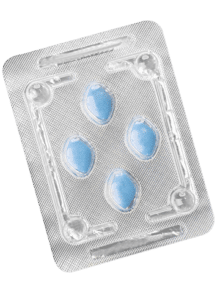
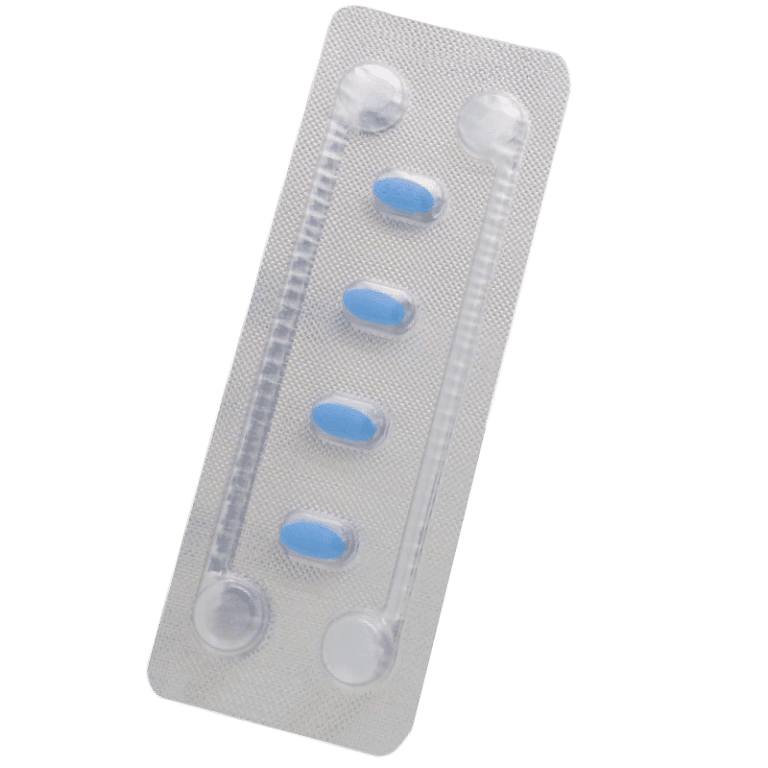
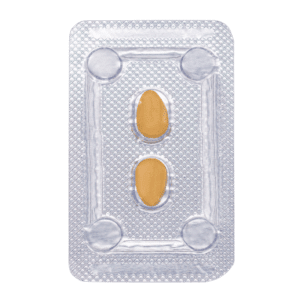
Tablets and capsules treat yeast infections systemically, and are absorbed into your bloodstream. They might be prescribed if your thrush symptoms are moderate to severe.

Tablets and capsules
Active ingredient Brand names How to use it
Fluconazole Diflucan, generics A single-dose 150mg capsule taken orally. This is a prescription-only medication that can clear an infection quickly and relieve symptoms.

Best treatments for persistent vaginal yeast infections

If you get vaginal yeast infections more than four times a year, a doctor will try to help you find out what could be causing them.

Some conditions, like diabetes, can make you more prone to a vaginal thrush infection. With this in mind, you might be referred for tests to monitor your blood sugar levels and rule diabetes out as a cause. Further tests might also be suggested if you have other symptoms alongside your vaginal yeast infection, such as colored discharge or unusual bleeding.

If you get persistent vaginal yeast infections, you might need to use a medication for longer than the usual course of treatment. This could mean taking medication for around six months, but it will depend on your symptoms and how you respond to the treatment you use.

Creams and tablets are sometimes prescribed at the same time to manage vaginal yeast infections. Combination packs like Monistat often include a vaginal suppository and a topical cream. The suppository treats the internal infection, while the cream can relieve external itching and discomfort.

Although it’s not a sexually transmitted infection (STI), a vaginal yeast infection can be triggered by sex. Having sex while you have an infection can also irritate and damage the skin around your vagina, which could leave you vulnerable to future infections.

A doctor might also ask you about your hygiene routine, and if any products you use regularly could be contributing to recurrent infections. Perfumed soaps and detergent are known to irritate vaginal skin, so it might be worth switching to products that are gentler on your skin.

Will vaginal yeast infections go away on their own?

Mild vaginal yeast infections can clear up on their own. If you suspect thrush symptoms are developing, keeping the area clean and dry might be enough to stop them getting any worse.
Wear loose-fitting, breathable underwear and avoid anything that might irritate the area.

The severity of your symptoms is usually a good indicator of whether your infection needs treatment. A vaginal yeast infection can be unpleasant — the itching and burning it causes can interfere with your routine and be uncomfortable.

Sexual health clinics or your regular doctor can help when you have an infection. They might also test to see if you have any other STIs.

It’s recommended you seek help for a vaginal yeast infection when you get symptoms for the first time. This is especially important if you have a weakened immune system, or experience hormonal fluctuations. Anyone over the age of 60 should also get help from a medical professional if they develop vaginal thrush symptoms, as they might find it harder to keep an infection under control.

How do you know when a yeast infection is serious?

Most women won’t need to worry about a vaginal yeast infection becoming serious. They’re often uncomfortable while you have them, but can clear up without treatment, or respond well to antifungal creams and tablets.

In rare cases, candida albicans can cause sepsis, which can lead to septic shock. It infects the bloodstream and can be life-threatening for critically ill patients. Fungi are responsible for around 15% of infections in healthcare settings, and can pose a serious threat to people in intensive care units.

Sepsis is a risk for anyone with a weakened immune system. It can cause fever, a high heart rate, and shortness of breath. It’s usually caused by a bacterial infection, and can be prevented by treating an infection early.

So while a vaginal yeast infection won’t usually be a serious risk to your health, it’s important to manage an infection when it develops.

Reference Popover #ref1
Reference Popover #ref2
Reference Popover #ref3
Reference Popover #ref4
Reference Popover #ref5

Sourcing guidelines:

When we present you with stats, data, opinion or a consensus, we’ll tell you where this came from. And we’ll only present data as clinically reliable if it’s come from a reputable source, such as a state or government-funded health body, a peer-reviewed medical journal, or a recognised analytics or data body. Read more in our editorial policy.

Tell us what you want to hear.

Have a subject you’d like us to cover in a future article? Let us know.

Give us the inbox treatment.

We're making healthcare more about you. Sign up to our newsletter for personalized health articles that make a difference.

Disclaimer: The information provided on this page is not a substitute for professional medical advice, diagnosis, or treatment. If you have any questions or concerns about your health, please talk to a doctor.

Suggest a health guide

Tell us your idea here.

(And leave your email too, so we can let you know if we write an article based on your suggestion.)