

VerifiedFact Checked
How long after starting HRT do you feel a difference?

How long after starting HRT do you feel a difference?

If you’re dealing with menopause symptoms daily then it’s understandable that you’d want to know how soon you can get them under control and feel closer to your usual self. Hormone replacement therapy (HRT) is a very effective treatment for a lot of women struggling with menopause symptoms. But how quickly it can take effect varies from person to person.

Daniel Atkinson
Medically reviewed by
Daniel Atkinson, Clinical Reviewer
Go to
Medically reviewed by
Dr Daniel Atkinson
Clinical Reviewer
on Jan 11, 2024.
Meet Daniel  
Daniel

Last updated on Dec 31, 2025.

Was this article useful?

While most women may experience changes in their symptoms within days, many tend to notice gradual improvements over weeks and months once they start taking hormone therapy. It depends on individual physiology and how your body responds to treatment.

On the whole HRT needs some time to be fully effective. It works by replenishing certain hormones (oestrogen and progesterone), which drop significantly during perimenopause. Perimenopause spans up to four years, and is the period leading up to menopause — defined as not having a menstrual cycle for 12 consecutive months.

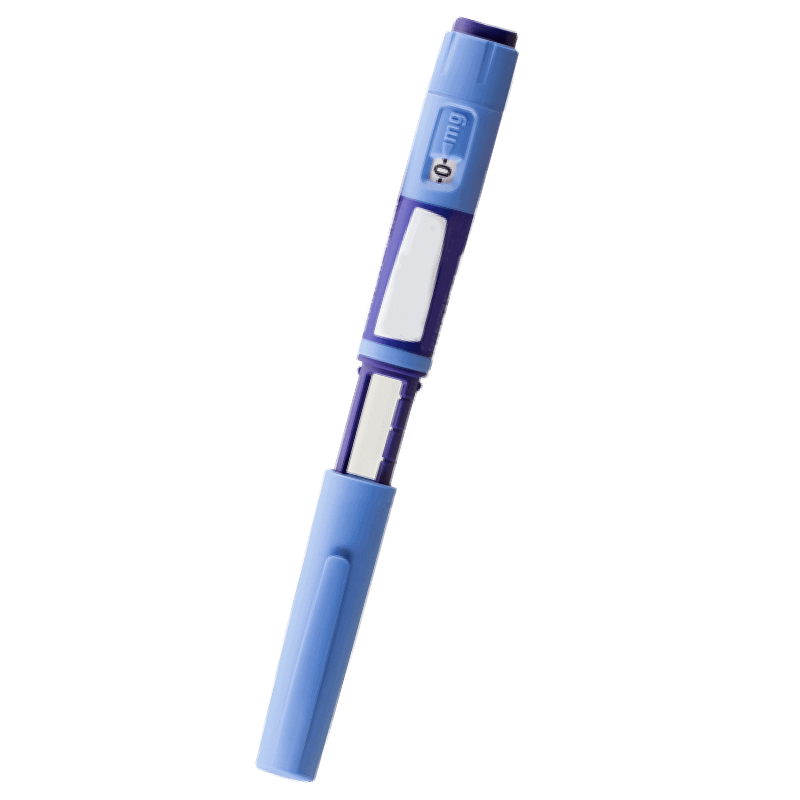
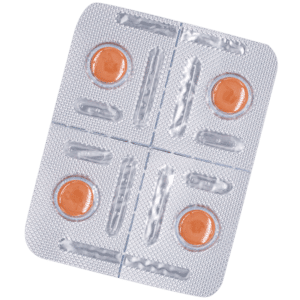
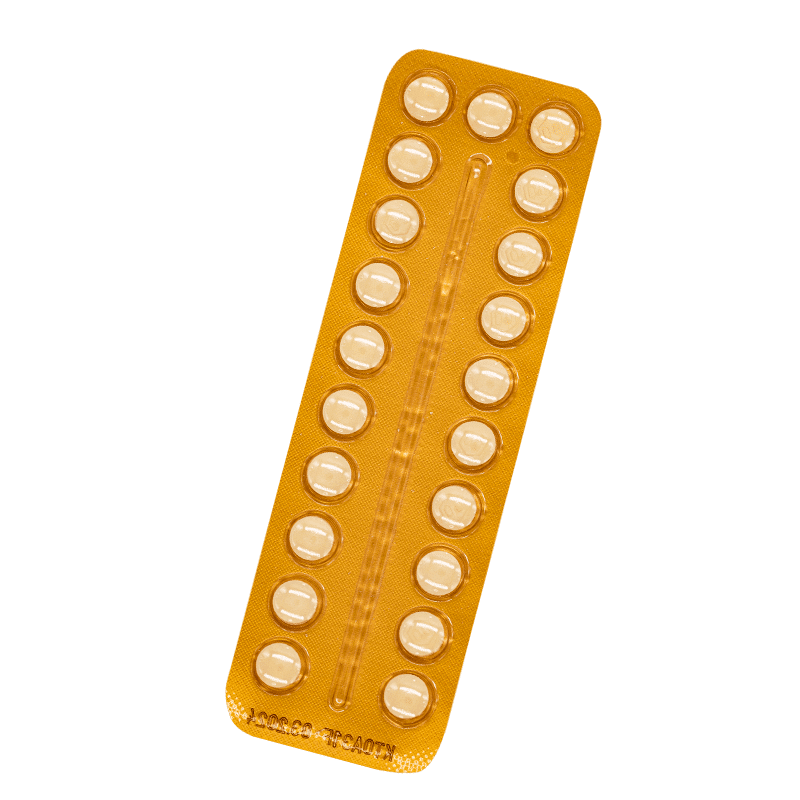
There are various types of HRT treatments available including tablets, patches, gels, creams, sprays or implants, and each type comes with its pros and cons. But no matter what HRT method you use, it’s important to take your medication for at least three to six months before deciding whether it’s working or not.

How long does it take for HRT to improve physical symptoms of menopause?

Some common physical symptoms include: hot flashes, night sweats leading to disrupted sleep, vaginal dryness and discomfort during intercourse. Also, during perimenopause, many women experience changes in their menstrual cycle like irregular periods, until their periods stop altogether. Other symptoms can involve weight gain, joint and muscle aches, and thinning hair.

You’ll likely notice that your physical symptoms, such as reduced hot flashes and night sweats, improve first, often after 4-6 weeks on the correct estrogen dose. But let’s take them separately and talk about them in more detail.

Hot flashes and night sweats

Hot flashes are experienced by about three in four women around menopause. These sudden and intense sensations of heat can cause flushing, sweating, and an overall feeling of being too hot.

Hot flashes can happen at any time of the day or night, often disrupting sleep and leading to night sweats (heavy sweating during sleep). These intense episodes of sweating, often accompanied by a sudden feeling of warmth, can drench sleepwear and sheets. Night sweats may cause fragmented sleep, leading to fatigue and irritability during the day.

Thankfully these symptoms can be significantly reduced within two weeks of starting HRT. Some women report improvements even sooner, and frequently find that this symptom is completely eliminated. At the moment, there’s no other treatment that’s more effective than HRT in managing these symptoms.

Sleep quality

As mentioned above, the fluctuating levels of estrogen during menopause can result in night sweats, heat intolerance and occasional nightmares, which can lead to disrupted sleep and poor sleep quality. The impact of HRT on sleep is not fully understood yet and can vary from person to person. Some women may experience improved sleep quality within a few weeks of starting HRT, while others might require more time to notice improvements.

Research suggests that low-dose hormone therapy (as pills or patches) contributes to better sleep quality in menopausal women. Also, there seems to be a correlation between better sleep and the reduction of hot flashes and night sweats. So, by reducing the intensity of these symptoms, HRT can contribute to better sleep quality.

You can also consider implementing some lifestyle changes in combination with HRT, to improve sleep. Examples include limiting screen time before bed, sleeping in a cool environment, wearing lightweight, breathable sleepwear, and sleeping on moisture-wicking sheets.

Vaginal dryness and urinary symptoms

Vaginal dryness and urinary symptoms are common challenges that women may face during menopause due to hormonal changes. The decline in estrogen levels can lead to thinning and drying of vaginal tissue, causing discomfort, itching, and pain especially during intercourse. Changes in the urinary tract can also contribute to issues like urinary urgency, frequency and occasional leakage. These symptoms can impact quality of life and intimate relationships.

Vaginal dryness is typically the first indication that a person is developing vaginal atrophy. Vaginal atrophy is a condition where the lining of your vagina gets drier and thinner. This results in itching, burning and pain during sex, among other symptoms. The condition also includes urinary tract problems such as urinary tract infections (UTIs) and urinary incontinence. Recently, the term vaginal atrophy has been replaced with the newer term, genitourinary syndrome of menopause (GSM).

HRT provides relief from vaginal dryness and urinary symptoms associated with menopause. This not only improves comfort during intimacy but can also enhance libido and pleasure during sex. Additionally, problems like involuntary urine leakage during activities like coughing or playing sports, as well as the urgency to empty the bladder, are often reduced while taking HRT.

Reduced sex drive (libido)

Up to 40-50% of women experiencing perimenopause and menopause report a loss of sex drive. This decline is often linked to fluctuating estrogen levels, which can impact sexual desire and arousal. Challenges like vaginal dryness and discomfort during intercourse (dyspareunia), can also affect overall sexual satisfaction. Also, emotional factors, including stress, mood swings, and concerns about ageing or body image, may contribute to a diminished sex drive.

Estrogen-based HRT is often recommended to increase sexual comfort by enhancing pelvic blood flow (blood flow to your genitals) and vaginal lubrication. However, estrogen-only HRT is typically recommended for women who have undergone a hysterectomy or use a Mirena IUD (progestin-containing intrauterine device providing birth control). So, if this doesn't apply to you, you're likely using combined HRT. Combined HRT involves taking both estrogen and progesterone and is more suitable if you have a uterus.

If you were experiencing a low sex drive before HRT, you'll likely notice your sex drive improve after several months of treatment. But if HRT does not help restore your sex drive, you might be offered a testosterone gel or cream. It can help improve sex drive, mood and energy levels.


How long does it take for HRT to improve psychological symptoms of menopause?

Psychological symptoms, on the other hand, may take a few additional months to improve with hormone replacement therapy (HRT). These types of symptoms include: mood swings, anxiety, irritability, and difficulty concentrating due to hormonal fluctuations.

Problems with memory and concentration

Memory-related challenges during menopause are often likened to a phenomenon known as "brain fog". This can manifest as difficulties concentrating at work, feeling unable to focus on the plot of a movie, or struggling to remember names and everyday items like keys.

This happens because estradiol, the main form of estrogen acting in the brain, is closely tied to changes in memory performance and the reorganization of brain circuitry responsible for memory function. Thus, the decline in estrogen levels during menopause can contribute to memory problems. And this is why women on HRT have a lower risk of developing Alzheimer's disease compared to menopausal women not on HRT.

Memory and concentration issues may also be caused by lack of sleep. Consequently, many women experience a significant improvement in the quality of their sleep often within a couple of weeks after they start taking HRT. This positive change in sleep quality often contributes to enhanced mood, increased energy levels, and improved concentration.

Mental health

Psychological and emotional symptoms like fatigue, irritability, insomnia, and nervousness may be linked to a combination of factors, including the decrease in estrogen and the stress associated with aging.

Mood changes associated with menopause should improve or go away within 3 months of treatment. If you had anxiety before menopause, HRT may not make it go away. You might need another treatment for anxiety, such as cognitive behavioral therapy (CBT), a type of talk therapy.

Are there any other options if HRT doesn’t work?

If HRT treatments in the form of tablets, patches, gels, creams, sprays or implants, haven’t worked for you or you just want to explore other options first, there are non-hormonal alternatives available. These include:

  1. Antidepressants: SSRIs (Selective Serotonin Receptor Inhibitors) like paroxetine (Brisdelle) are commonly used for some of the mood-related symptoms of menopause, and others like citalopram and escitalopram can be effective too.
  2. Gabapentin: approved for seizures and nerve pain, gabapentin (Neurontin) can be taken as a bedtime dose to alleviate hot flashes, although it is not specifically licensed for this.
  3. Oxybutynin: usually for overactive bladder, oxybutynin can be effective for hot flashes, but it is prescribed off-label for this purpose.
  4. Veozah: a non-hormonal daily pill, recently approved in the US for hot flashes and night sweats.
  5. Herbal treatments: While black cohosh is commonly used, its efficacy hasn’t been clinically proven, and there are concerns about its effects on breast tissue.
  6. Mind-body and other treatments: stress management, relaxation, deep breathing, yoga and talk therapy are often helpful, though results vary.

You can discuss all these options with your doctor and choose which one is right for you. They can all provide relief, yet it all comes down to your specific symptoms, preferences and medical history.

Reference Popover #ref1
Reference Popover #ref2
Reference Popover #ref3
Reference Popover #ref4

Sourcing guidelines:

When we present you with stats, data, opinion or a consensus, we’ll tell you where this came from. And we’ll only present data as clinically reliable if it’s come from a reputable source, such as a state or government-funded health body, a peer-reviewed medical journal, or a recognised analytics or data body. Read more in our editorial policy.

Tell us what you want to hear.

Have a subject you’d like us to cover in a future article? Let us know.

Give us the inbox treatment.

We're making healthcare more about you. Sign up to our newsletter for personalized health articles that make a difference.

Disclaimer: The information provided on this page is not a substitute for professional medical advice, diagnosis, or treatment. If you have any questions or concerns about your health, please talk to a doctor.

Suggest a health guide

Tell us your idea here.

(And leave your email too, so we can let you know if we write an article based on your suggestion.)