VerifiedFact Checked
What is hyperhidrosis?

What is hyperhidrosis?

Hyperhidrosis is a condition where you sweat excessively. It can be caused by an underlying medical condition or a medication side effect, but sometimes it can happen for no clear reason, too.

Alexandra Cristina Cowell
Medically reviewed by
Alexandra Cristina Cowell, Writer & Clinical Content Reviewer

Whatever the cause, it can affect your self-esteem and confidence. So although it isn’t normally a risk to your health, treatments are available to help you stop sweating and feel more comfortable.

Go to
Medically reviewed by
Dr Alexandra Cristina Cowell
Writer & Clinical Content Reviewer
on May 07, 2025.
Meet Alexandra Cristina  
Alexandra Cristina

Last updated on Feb 06, 2026.

Was this article useful?
Summary
  • Hyperhidrosis is excessive sweating that often occurs without a clear reason.
  • Primary hyperhidrosis happens without a known cause, while secondary hyperhidrosis is linked to medical conditions or medication side effects.
  • Other symptoms include body odor and skin issues, and (less commonly) headaches, fatigue, and night sweats.
  • Treatments include prescription-strength antiperspirants, oral meds, Botox, lifestyle changes, and treating any underlying causes.

Understanding hyperhidrosis

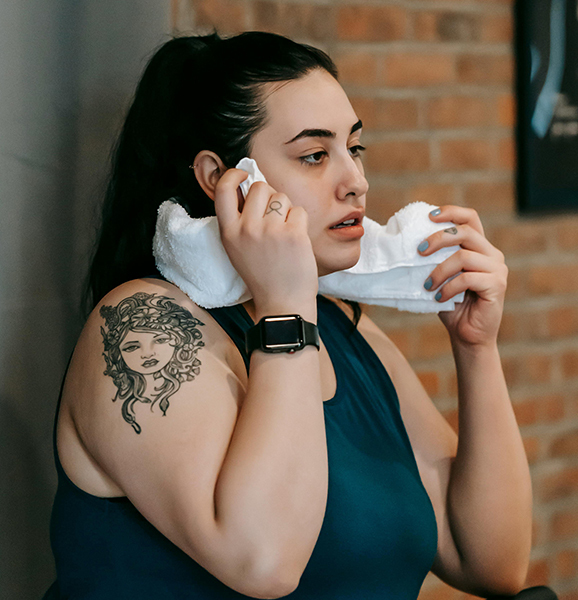
Hyperhidrosis is a condition where you sweat excessively. Unlike normal sweating, it can affect your daily life and cause mental health issues.

Around 385 million people worldwide are affected by hyperhidrosis, yet many people find it uncomfortable to talk about and seek treatment. But like any other condition, you shouldn’t be embarrassed to get medical help.

So how exactly does hyperhidrosis differ from normal sweating?

Normal sweating is a bodily response to help you cool down. When you feel hot, your thermoregulatory center (the part in your brain that controls your temperature) sends signals to your body to produce sweat, helping you lose excess heat.

Hyperhidrosis, on the other hand, isn’t a normal cool-down response. It’s usually caused by overactive receptors that trigger the sweat glands, leading to excessive sweating. This can interfere with your everyday life like making it harder to use a phone or computer, and cause you to avoid leaving the house or socializing.

Primary versus secondary hyperhidrosis

There are two types of hyperhidrosis:

  • Primary hyperhidrosis
  • Secondary hyperhidrosis

Primary hyperhidrosis is when you sweat excessively for no obvious reason, often in specific parts of your body. While it’s believed to have a genetic link, the exact cause remains unknown. What we do know is that it’s triggered by overstimulated receptors that activate your sweat glands.

This makes it difficult to treat, so most treatments focus on reducing sweating, rather than addressing the underlying issue.

Secondary hyperhidrosis is when you sweat excessively because of an underlying cause, often across your entire body. This could be due to a medical condition, like diabetes or Parkinson's disease, or a side effect of medication.

In this case, part of your treatment process might include addressing the underlying cause.

Hyperhidrosis compared
Primary Focal Hyperhidrosis Secondary Generalized Hyperhidrosis
Areas affected: Most commonly the hands, feet, underarms, and head; sweating is usually symmetrical (the same on both sides) Entire body
Cause: No clear cause Medical condition or medication
Genetic link? Yes No
Triggers: Stress, certain foods, or heat Stress, certain foods, or heat; underlying conditions or medication
When it starts: Childhood or adolescence Any age, but it’s more common in older people
When symptoms occur: Mostly during the day Can commonly occur throughout both the day and night
Treatment: Topical antiperspirants; oral medications Treating underlying conditions; changing medications; topical antiperspirants; oral medications

Causes of excessive sweating

The cause of hyperhidrosis can depend.

For primary hyperhidrosis, the exact cause remains unknown. But research shows there may be a strong genetic component to it, so it could be a result of a genetic mutation or variation.

In contrast, secondary hyperhidrosis is caused by an underlying issue, like a medical condition or medication.

Conditions like diabetes and Parkinson’s can cause nerve damage, which affects your body’s ability to regulate sweat. Medications like antidepressants can increase serotonin levels, which may affect the thermoregulatory center in your brain.

Symptoms and diagnosis

The most common (and obvious) symptom of hyperhidrosis is excess sweating.

Other symptoms may include body odor, skin peeling, maceration (softening and breakdown of skin), and mental or emotional stress.

Secondary hyperhidrosis may have other symptoms such as:

  • Fatigue
  • Headaches
  • Night sweats

Diagnosis for hyperhidrosis

When getting diagnosed for hyperhidrosis, you’ll typically be asked questions about:

  • Frequency – How often you get symptoms.
  • Location – Are you sweating everywhere, or only in certain parts of your body?
  • Duration – Is it a recent thing, or has it occurred in the past?
  • Medications – Have you recently been taking medication?
  • Family history – Whether anyone else has similar problems in your family.
  • Night sweats – Whether or not you sweat at night.

These questions help determine whether you have hyperhidrosis, and if so, which type.

If you have primary hyperhidrosis, it’s unlikely you’ll need further tests. If your doctor suspects secondary hyperhidrosis, further tests will be required, such as blood, stool, or urine tests, and possibly X-rays. These tests will help identify the underlying cause.

Managing hyperhidrosis

Dealing with hyperhidrosis can be a real challenge, but it doesn’t have to control your life. There are plenty of ways to manage excessive sweating, from simple home remedies to medical treatments.

Home remedies

Regular antiperspirants containing aluminum can help block sweat production. They’re typically an easy and affordable option, but they might not be as effective as prescription-strength antiperspirants.

Applying apple cider vinegar has been said to help balance your skin’s pH and reduce sweat, but there’s limited scientific evidence to support this claim.

Other things you can do are:

  • Wear breathable and light fabrics, like cotton and linen.
  • Wear loose-fitting clothes for better air flow and to reduce signs of visible sweat stains.
  • Avoid triggers, like spicy and hot foods.

Medical Treatments

Prescription-strength antiperspirants – topical roll-on treatments containing aluminum chloride hexahydrate – can help reduce sweat. They work by plugging your sweat glands to block sweat from being released. They also have antibacterial properties, which can help reduce body odor. They’re used for two days on and two days off, and start to work within a few minutes.

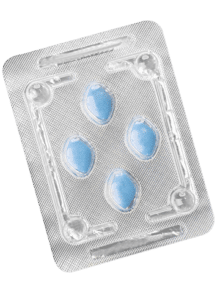
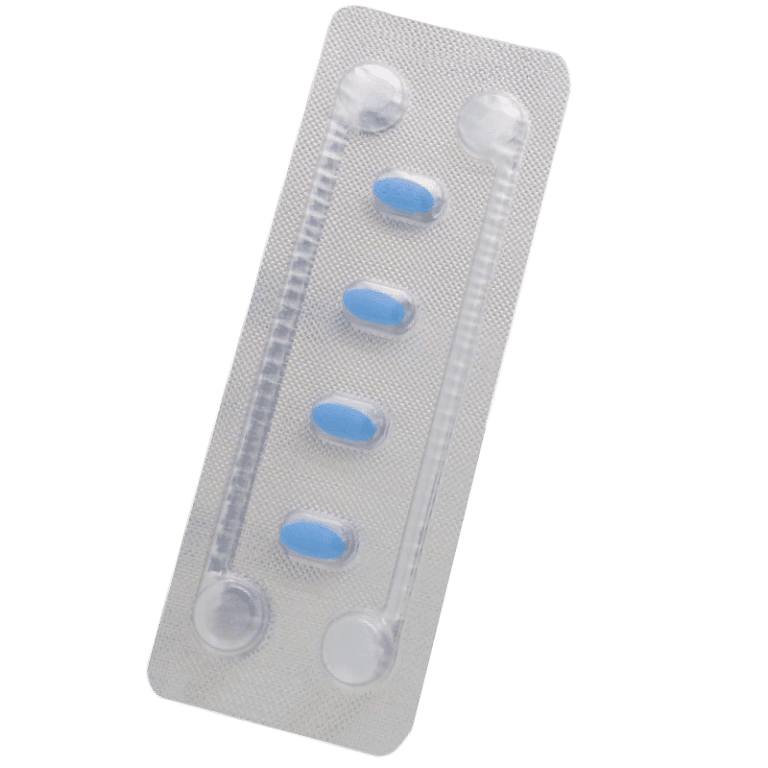
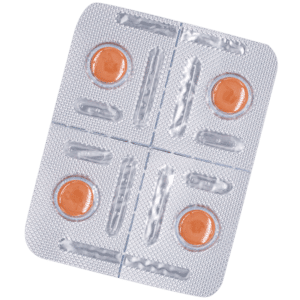
If you need something stronger, though, or you’d rather not use an antiperspirant, you might prefer Oxybutynin. It contains oxybutynin hydrochloride, which is anticholinergic. This blocks overactivated acetylcholine receptors to help reduce the amount you sweat.

It starts to work relatively quickly and its effects can last all day. However, it is an off-label treatment, meaning it’s not FDA-approved for hyperhidrosis. This doesn’t mean it’s unsafe though — healthcare providers will only prescribe it if they believe it’ll be safe and effective for you.

Botox is a common and effective treatment for hyperhidrosis. It works by blocking the release of acetylcholine, the main culprit of hyperhidrosis, to stop sweat production. While it can be an effective treatment, the results are temporary and will require ‘follow-up treatments’ for long-term relief from hyperhidrosis.

Chat with our healthcare professional to find the best option for you. With the right approach, you can keep your symptoms in check and get back to feeling confident and comfortable every day.

Reference Popover #ref1
Reference Popover #ref2
Reference Popover #ref3

Sourcing guidelines:

When we present you with stats, data, opinion or a consensus, we’ll tell you where this came from. And we’ll only present data as clinically reliable if it’s come from a reputable source, such as a state or government-funded health body, a peer-reviewed medical journal, or a recognised analytics or data body. Read more in our editorial policy.

Tell us what you want to hear.

Have a subject you’d like us to cover in a future article? Let us know.

Give us the inbox treatment.

We're making healthcare more about you. Sign up to our newsletter for personalized health articles that make a difference.

Disclaimer: The information provided on this page is not a substitute for professional medical advice, diagnosis, or treatment. If you have any questions or concerns about your health, please talk to a doctor.

Suggest a health guide

Tell us your idea here.

(And leave your email too, so we can let you know if we write an article based on your suggestion.)