


VerifiedFact Checked
What can be done to prevent cold sores?

What can be done to prevent cold sores?

Cold sores are small blisters caused by the herpes simplex virus which form around the mouth. Many infected people are asymptomatic, meaning they show no symptoms. But those who do show symptoms may get frequent outbreaks, which can be painful and inconvenient.

Daniel Atkinson
Medically reviewed by
Daniel Atkinson, Clinical Reviewer

There’s no cure for cold sores. They usually lie dormant until certain triggers cause them to flare up. To reduce your risk of outbreaks, you can use several preventative measures, including sunscreen, good hygiene, and antiviral medications.

Go to
Medically reviewed by
Dr Daniel Atkinson
Clinical Reviewer
on Nov 22, 2024.
Meet Daniel  
Daniel

Last updated on Jan 23, 2026.

Was this article useful?
Summary:
  • Stress, sunlight, and hormonal changes are common triggers for cold sores. Knowing what triggers yours can help you avoid outbreaks.
  • Wash your hands often, especially after touching a cold sore.
  • To reduce the risk of transmission, avoid direct skin contact (like kissing) and sharing utensils or lip products during an active outbreak.
  • Medications such as Acyclovir and Valacyclovir can speed up healing and reduce outbreaks.

What can trigger a cold sore?

The herpes virus can stay dormant for long periods (sometimes even years) after you’ve been infected with it. When triggered, though, the virus becomes active again, causing cold sores. This is known as a recurrence or outbreak.

Multiple factors can trigger a cold sore, including stress, sun exposure and hormonal changes. These triggers vary from person to person, so finding out what sets off your outbreaks can help prevent a future one.

The following table shows common triggers for herpes outbreaks:

Trigger 

Reason 

Stress

Emotional or physical stress leads to the release of hormones, like cortisol and epinephrine, which can reactivate the herpes virus. It can also weaken your immune system, making it easier for the virus to flare up.

Fatigue

Chronic fatigue can impair your immune response, making you  more vulnerable to outbreaks.

Illness

Illnesses, especially those that weaken your immune system like the common cold, flu or COVID-19, can trigger a herpes outbreak. 

Sun exposure

Ultraviolet (UV) light from sun exposure can damage your skin cells, which can trigger an outbreak. UV can also suppress your immune response, allowing the virus to reactivate.

Hormonal changes 

Hormonal fluctuations, particularly during your monthly cycle, can trigger an outbreak. The stress and physical changes during menstruation create a favourable environment for the virus to become active again.

What can help prevent recurring cold sores?

While you can’t completely eliminate the virus, you can reduce the likelihood of cold sore outbreaks by taking preventative measures.

Good hygiene

Icon of a hand with soap bubbles.Be sure to wash your hands thoroughly after touching your cold sore to avoid spreading the virus. Take extra care not to touch your eyes as this could lead to an eye infection.

It’s also important to avoid oral sex during an outbreak, as this could lead to genital herpes. Refrain from kissing and sharing items like straws, glasses, and utensils while symptomatic.

Once the cold sore heals, sanitize your personal items like your towels, duvet covers, bedding, toothbrush, makeup brushes and any other items you used during the outbreak.

Also, keep your lips hydrated and moisturized as this can help prevent cold sores. Chapped lips are more prone to outbreaks.

Diet

Icon of fish, cheese, and an avocado.Certain foods can prevent a flare-up. Foods high in lysine, for example (an essential amino acid), can reduce the risk of an outbreak. It inhibits viral replication by blocking arginine (another amino acid that helps viruses multiply).

Some foods with high lysine content include:

  • Meats like beef and poultry
  • Dairy products like cheese and milk
  • Eggs
  • Some fish, like cod and sardines
  • Soy foods, like tofu

On the flip side, try to avoid foods high in arginine, which promotes viral replication. This can be a bit tricky, though, as some foods high in lysine are also high in arginine. Focus on foods that have a high lysine-to-arginine ratio, such as dairy products, certain fish, and fruits like mango and apricots. Avoid foods that have more arginine than lysine, like chocolate, seeds and nuts.

Taking vitamin C and D supplements might also help, as they boost the immune system and have antiviral properties. Staying hydrated by drinking plenty of water is also important.

Reducing stress

Icon of a person in a meditation pose.Stress increases the risk of an outbreak because it releases hormones that weaken your immune system, making it easier for the virus to reactivate. Techniques like meditation, yoga, and relaxation exercises can help reduce stress, lowering your risk of a cold sore outbreak.

Sun protection

Icon of a sunscreen tube with a sun symbol.Wearing SPF can help reduce the risk of recurrences, especially if sunlight is your trigger. Make sure to apply it frequently throughout the day, even during the colder months. Don’t forget to apply it on your lips – using a lip balm with SPF can make it easier to protect them.

For extra protection, wear a wide-brimmed hat to shade your face from the sun.

Antiviral medication

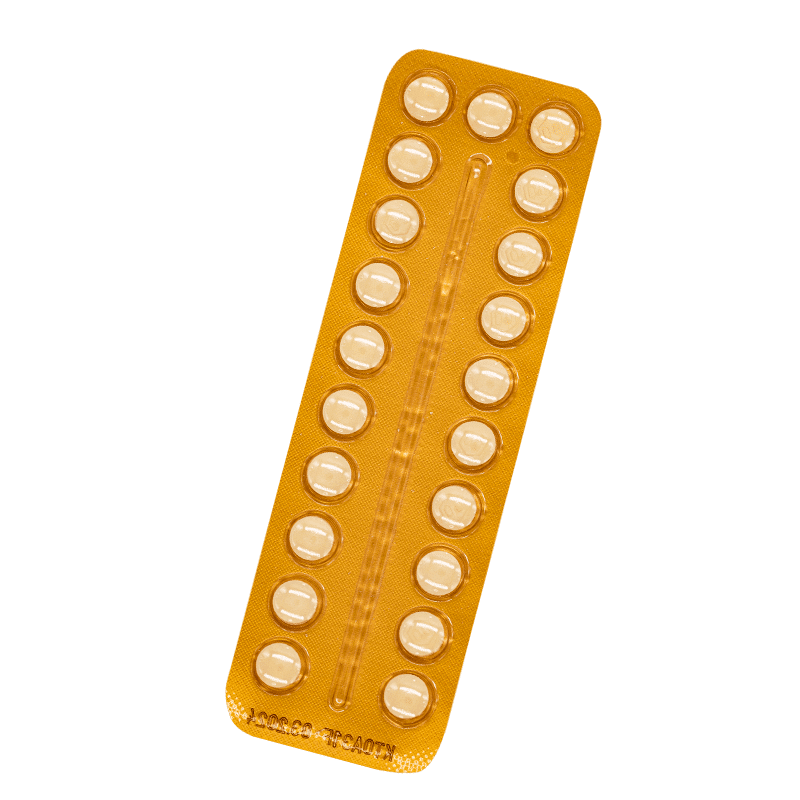
Icon of a blister pack of tablets.For herpes, you can get antiviral medication available as tablets or cream with different active ingredients. Most work in the same way, by stopping the virus from replicating.

You don't always need treatment, as most cold sores heal on their own within a few weeks. But using medication can speed up the healing process and prevent future outbreaks if taken daily. The most common antivirals for herpes include Acyclovir, Valacyclovir and Famciclovir.

Who’s most at risk of getting cold sores?

People with a compromised immune system are at the most risk of getting cold sores. This includes:

  • Newborn babies
  • Pregnant women
  • People with HIV or AIDS
  • People undergoing chemotherapy
  • People taking immunosuppressants

Older adults may also be at more risk, especially if they’re ill.

How can you protect yourself against getting herpes?

If you’ve never had a cold sore, here are some ways you can help protect yourself from infection:

Practice safe sex

HSV-1 can lead to genital herpes through oral sex. You can reduce the risk of infection by using a condom and wearing dental dams for protection.

If your sexual partner is having an outbreak, don’t have sex, even with protection. Wait until all the scabs have fully healed before resuming sexual activity.

If you’re already infected, you can ask your doctor for daily herpes medication, which helps suppress the virus, reducing the risk of spreading it to others.

Avoid sharing personal items

HSV-1 is commonly transmitted through direct skin-to-skin contact, like kissing or oral sex. But during an outbreak, it can also spread by sharing drinks, straws or utensils, though it’s less likely since the virus doesn’t survive long outside the body. If you don’t have an active cold sore, it’s very unlikely to spread by sharing personal items.

What can be done if you get a cold sore?

While you don’t always need treatment for cold sores, using antiviral medications, like Famciclovir, can stop the virus from replicating, reduce your risk of outbreaks and speed up the healing process.

Aside from antivirals, you can use over-the-counter pain relief, like ibuprofen, to help manage the pain. Cold sore patches containing hydrocolloids can also help speed up recovery and may prevent scabs from forming.

For at-home treatments, using propolis and honey has been shown to have antiviral properties, with some studies even finding it to be more effective at healing than Acyclovir.

If you’re struggling with cold sore outbreaks, you can contact our doctor for medical advice on the different treatments available.

Reference Popover #ref1
Reference Popover #ref2
Reference Popover #ref3
Reference Popover #ref4

Sourcing guidelines:

When we present you with stats, data, opinion or a consensus, we’ll tell you where this came from. And we’ll only present data as clinically reliable if it’s come from a reputable source, such as a state or government-funded health body, a peer-reviewed medical journal, or a recognised analytics or data body. Read more in our editorial policy.

Tell us what you want to hear.

Have a subject you’d like us to cover in a future article? Let us know.

Give us the inbox treatment.

We're making healthcare more about you. Sign up to our newsletter for personalized health articles that make a difference.

Disclaimer: The information provided on this page is not a substitute for professional medical advice, diagnosis, or treatment. If you have any questions or concerns about your health, please talk to a doctor.

Suggest a health guide

Tell us your idea here.

(And leave your email too, so we can let you know if we write an article based on your suggestion.)