


VerifiedFact Checked
What treatments are there for excessive sweating?

What treatments are there for excessive sweating?

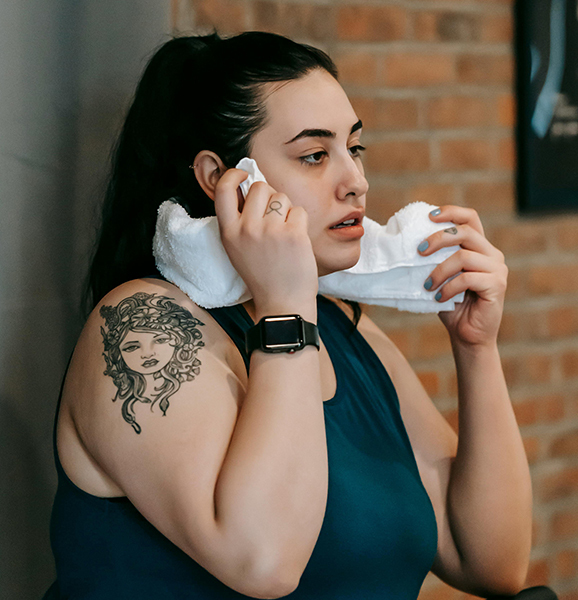
Approximately 3% of people worldwide experience hyperhidrosis (excessive sweating). From a health perspective, it doesn't usually require medical intervention, but some people may seek treatment because it can be uncomfortable and embarrassing.

Alexandra Cristina Cowell
Medically reviewed by
Alexandra Cristina Cowell, Writer & Clinical Content Reviewer

Treatment options for hyperhidrosis range from prescription-strength antiperspirants and oral medications to more complex ones like iontophoresis, botox, and sympathectomy.

You can also manage hyperhidrosis by making a few lifestyle changes, like wearing loose-fitting clothing and changing your diet.

Go to
Medically reviewed by
Dr Alexandra Cristina Cowell
Writer & Clinical Content Reviewer
on May 29, 2025.
Meet Alexandra Cristina  
Alexandra Cristina

Last updated on Jan 30, 2026.

Was this article useful?
Summary Summary
  • Prescription-strength antiperspirants block sweat ducts, and come as easy-to-use roll-ons for hands, feet, or underarms.
  • Iontophoresis is a non-surgical treatment where a mild electric current is used to reduce sweating in your hands or feet.
  • Botox injections block nerve signals to sweat glands and can reduce sweating for up to 6 months.
  • Sympathectomy is a surgery that permanently reduces sweating but carries more risk than other treatments.
  • Lifestyle tips like loose-fitting clothing, diet changes, and stress control can help reduce visible sweat.

Medications for hyperhidrosis

Treatment for hyperhidrosis can include topical solutions and oral medications. The one you choose depends on your medical history and personal preferences.

Hyperhidrosis medications
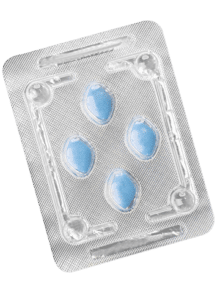
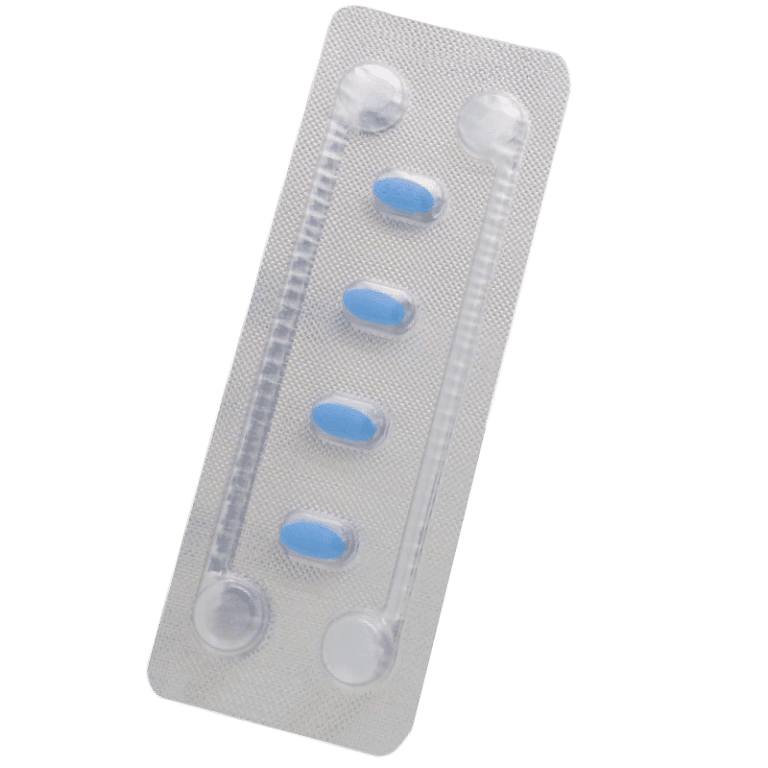
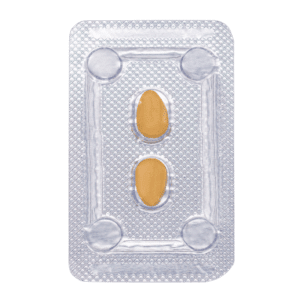
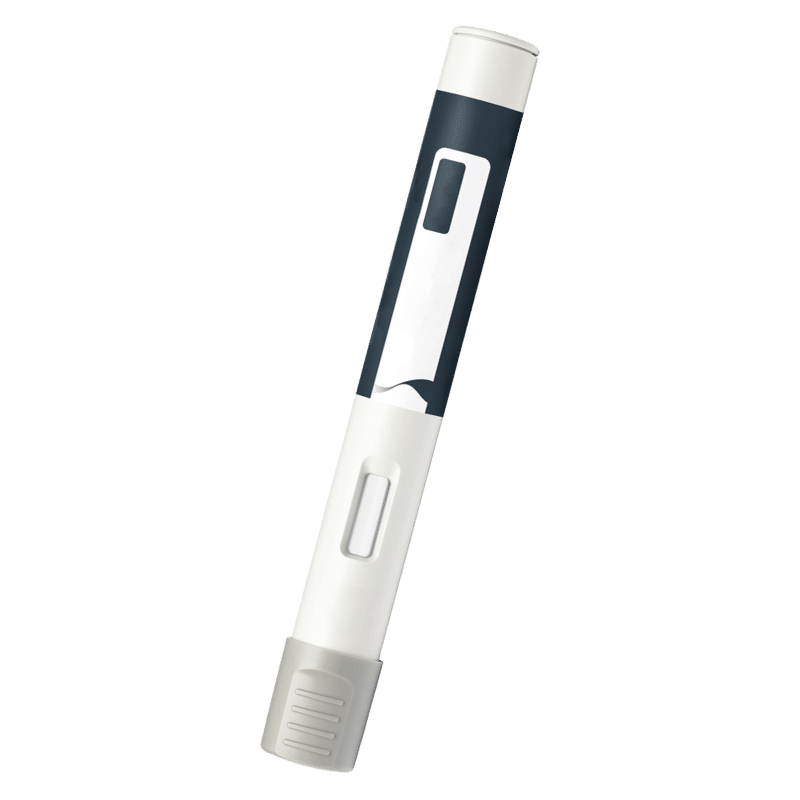
Prescription antiperspirant solution 20% Glycopyrrolate - 2mg Oxybutynin - 2.5mg and 5mg
Form Roll-on Oral tablet Oral tablet
Active ingredient Aluminum chloride hexahydrate Glycopyrrolate Oxybutynin hydrochloride
How it works Builds a barrier across your sweat glands Blocks the chemical that produces sweat Blocks the chemicals that trigger the production of sweat
Time to work Within a week or two Varies from hours to days Four to six weeks
Dosage Daily Once daily Once daily
Possible side effects Stinging Redness Burning sensation Itching Irritation Dry mouth Constipation Diarrhea Vomiting Nasal congestion Urinary problem Agitation Dry mouth Abnormal heartbeat Blurred vision Digestion issues Dry skin
  • Antiperspirants
  • Medicines

Prescription-strength antiperspirants, such as those sold under brand names like Drysol or Certain Dri, are roll-on treatments containing aluminum chloride. They stop sweating by forming a plug on your sweat ducts, which blocks sweat from being released.

They’re typically applied once a day directly onto clean skin. You can apply it on any part of your skin, including your underarms, hands and feet.

While deodorants containing aluminum are available in drugstores, these often contain a lower percentage and may not be as effective as prescription-strength antiperspirants.

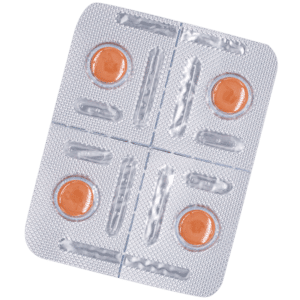
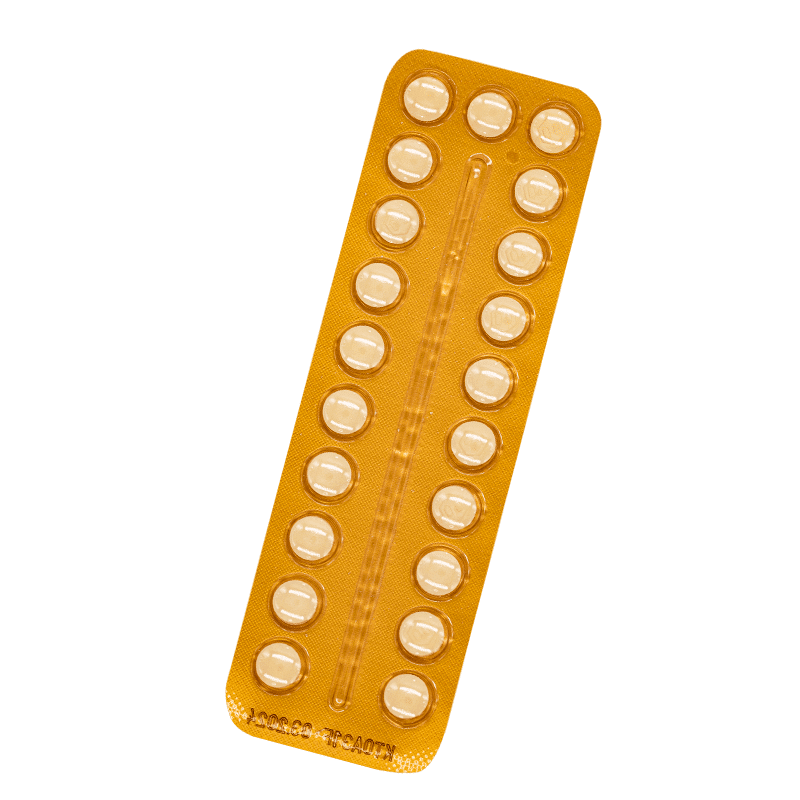
Oral medications like Oxybutynin and glycopyrrolate are off-label treatments used to treat excessive sweating. They work by blocking a chemical in the body called acetylcholine. This chemical is responsible for sending signals to the sweat glands. When acetylcholine is blocked, the sweat glands don't receive the signals that tell them to produce sweat.

Oxybutynine is an effective treatment for hyperhidrosis, with patients reporting over 70% improvement in their symptoms. Likewise, similar results were shown with glycopyrrolate, but a third of patients did experience side effects, which affected treatment efficacy.

Lifestyle changes and home remedies to help with hyperhidrosis

Hyperhidrosis can happen at seemingly random times and without any obvious cause. This can put you in unexpected situations where you experience excessive sweating.

While you can’t prepare for every hyperhidrosis episode, certain lifestyle changes may help reduce sweating or make it less noticeable.

Clothing and hygiene tips

A graphic icon representing fabric breathability with upward-pointing arrows passing through three wavy horizontal layers.Choose loose-fitting, breathable clothing made from materials like linen or cotton. Some polyester blends can make you sweat more and increase body odor, while natural fibers promote air circulation.

If you need to wear tight clothing, try using underarm pads. These pads adhere directly to your clothing, helping catch sweat and prevent sweat stains.

Additionally, keep the areas prone to sweat clean and dry. Wash them regularly with a mild soap to reduce bacterial growth. This will help prevent odor.

Stress reduction techniques

Anxiety and stress are common triggers for sweating. Adding relaxation methods like yoga, meditation, or deep breathing exercises to your daily routine can calm your nerves, reducing the risk of sweating excessively. These activities enhance overall wellness and can effectively alleviate stress related to sweating.

Dietary considerations

A line art icon featuring a chili pepper, a slice of Swiss cheese, and a slice of watermelon over a peach-colored circle.Although there's no specific hyperhidrosis diet, certain foods can trigger sweat or reduce it.

Foods high in water content, like watermelon, cucumber, tomatoes, and oranges, can regulate your internal temperature, which may help reduce sweating. Similarly, calcium-rich foods, like milk, cheese, and leafy greens, have the same effects and may reduce sweat.

On the other hand, spicy foods can trick your body into thinking that it's overheating, which can lead to sweating. Alcohol may also increase sweating as it dilates your blood vessels and raises body temperature.


What are non-surgical procedures for hyperhidrosis?

Iontophoresis and Botox are the two main non-surgical procedures for excessive sweating.

  • Iontophoresis

  • Botox

Iontophoresis is a process that temporarily stops signals from being sent to your sweat gland.

The process involves placing your hands or feet in shallow water, where a weak electric current is passed through. This stops the electric signals in your body from being sent to your sweat glands, helping reduce excessive sweating. It's a relatively painless treatment with many individuals only experiencing a tingling sensation.

The procedure can last up to 30 minutes. Initially, you’ll need several sessions every few days, which can be a big time commitment. But after that, you’ll only need a maintenance session every couple of weeks to a couple of months. The results can last up to 14 weeks.

Studies have shown that iontophoresis is an effective treatment for hyperhidrosis. In one study, over 90% of patients reported an improvement in symptoms.

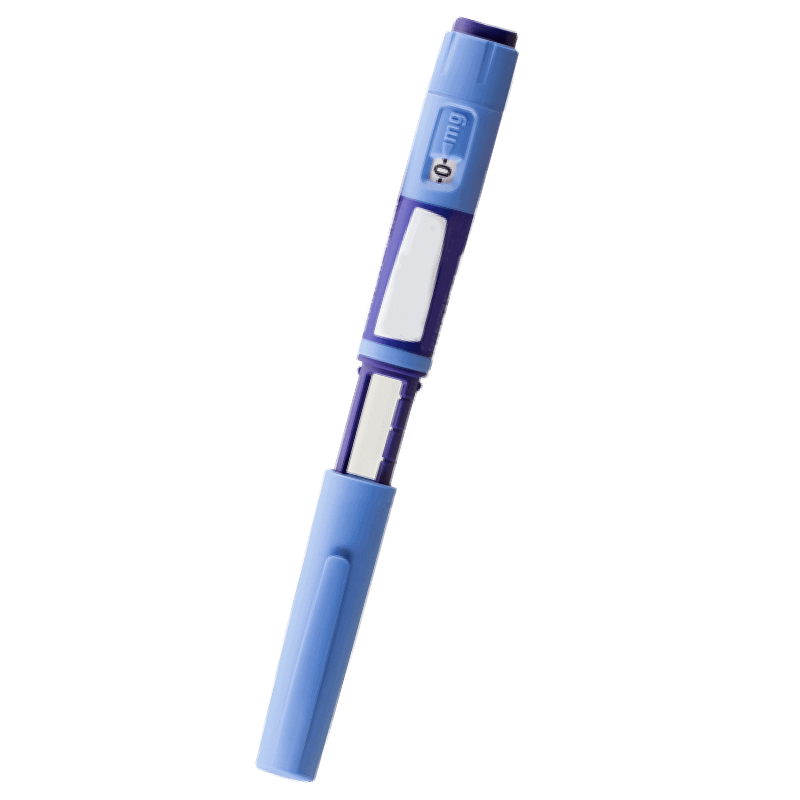
Botox, or botulinum toxin, is injected into the affected areas. This blocks nerve signals in the sweat gland, temporarily reducing excessive sweating. It can be performed on all areas of your body, including your underarms, hands, and feet.
Within two weeks, you should notice a significant improvement in your symptoms. The results from one session can last up to 6 months , making it more convenient than iontophoresis. However, it can be a painful procedure for some individuals.

Surgery for hyperhidrosis

Endoscopic thoracic sympathectomy (ETS) is a minimally invasive surgery where the nerve tissue that controls the sweat gland is removed, which permanently reduces sweating. This procedure is typically performed on the underarms or hands.

Many patients report significant improvements with sympathectomy, but it does carry more risks than non-surgical treatment or medications.

Some of the side effects can include;

  • Compensatory sweating is when you sweat in other areas of your body to make up for for the lack of sweat in the treated areas.
  • Horner’s syndrome is when you experience sweating on one side of your face due to nerve damage.
  • Heat strokes are more common if sympathectomy is performed on larger areas of your body.
Hyperhidrosis

Managing hyperhidrosis

Hyperhidrosis is a medical condition and should be treated as such. While it doesn’t always require treatment from a medical perspective, if it causes mental or emotional stress, various treatment options are available to help reduce sweating. It’s up to you which you choose, and if you’re uncertain, a healthcare provider can help.

Reference Popover #ref1
Reference Popover #ref2
Reference Popover #ref3
Reference Popover #ref4
Reference Popover #ref5
Reference Popover #ref6
Reference Popover #ref7
Reference Popover #ref8

Sourcing guidelines:

When we present you with stats, data, opinion or a consensus, we’ll tell you where this came from. And we’ll only present data as clinically reliable if it’s come from a reputable source, such as a state or government-funded health body, a peer-reviewed medical journal, or a recognised analytics or data body. Read more in our editorial policy.

Tell us what you want to hear.

Have a subject you’d like us to cover in a future article? Let us know.

Give us the inbox treatment.

We're making healthcare more about you. Sign up to our newsletter for personalized health articles that make a difference.

Disclaimer: The information provided on this page is not a substitute for professional medical advice, diagnosis, or treatment. If you have any questions or concerns about your health, please talk to a doctor.

Suggest a health guide

Tell us your idea here.

(And leave your email too, so we can let you know if we write an article based on your suggestion.)