


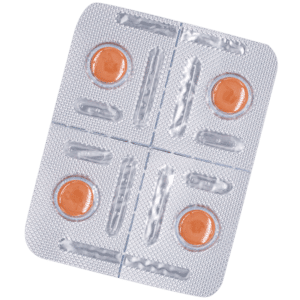

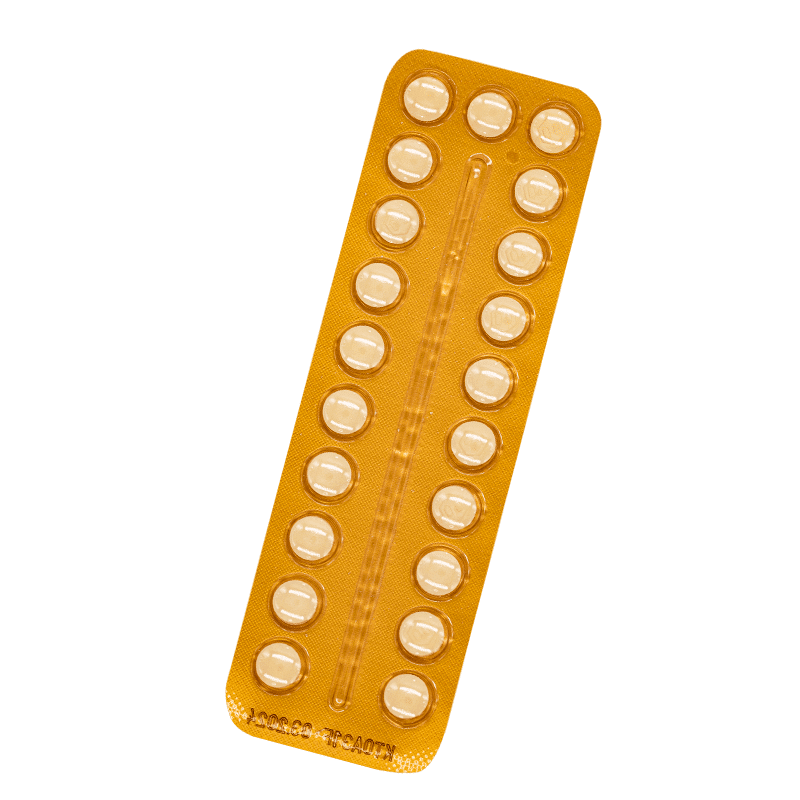




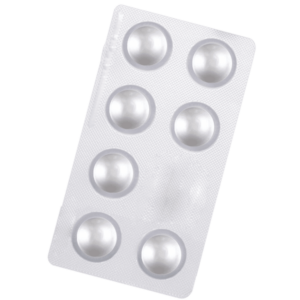





Yes, you’ve got options to help manage symptoms of overactive bladder. Oxybutynin is really similar to Solifenacin; it’s an antimuscarinic that blocks the neurotransmitter acetylcholine, which is what causes the muscles around your bladder to contract. This means your bladder can hold more urine, and it should prevent the involuntary contractions that make you need to go suddenly and urgently.
Mirabegron is a slightly different option, but works in a similar way. It activates receptors called beta-3 adrenergic receptors in the muscle around your bladder. This allows it to hold more liquid, and reduces the sudden need to urinate associated with overactive bladder. Because the way it works is different to Solifenacin, it can come with a lower risk of side effects like dry mouth, constipation, and blurred vision – but can come with a risk of increased blood pressure.



How are different types of eczema treated?
Depending on the type of eczema you have, the right treatments can vary. Here we'll take a close loo…
February 20, 2026
Read more

Is it “cheating” to use a weight loss injection?
Obesity is a chronic condition, not laziness. The idea that using treatment is “cheating” comes …
February 20, 2026
Read more

What are the best treatments for athlete’s foot?
Generally speaking, the best treatment for athlete’s foot is the one that suits you best. So if yo…
February 06, 2026
Read more
