What is Oxybutynin?
Oxybutynin is a medication for overactive bladder, a condition characterized by involuntary bladder contractions. This causes sudden and frequent urges to pee. Overactive bladder most commonly affects older adults aged 60 and over, and women more than men.
Sometimes, an overactive bladder can be treated without medication. For example, you can retrain your bladder to hold more urine by doing pelvic exercises or make dietary changes, such as reducing your coffee intake, to decrease urinary urgency. But if these don’t help, your doctor might recommend medication.
How does Oxybutynin work?
Oxybutynin has antispasmodic properties that stop the bladder muscles from contracting. This helps relax the smooth muscles in the bladder, which increases bladder capacity, meaning you’re less likely to experience sudden and frequent urges to pee.[1]
Will I get side effects with Oxybutynin?
There’s a possibility of experiencing side effects when taking Oxybutynin, although not everyone will get them. The most common side effects include:
- Constipation
- Dry mouth and skin
- Headache
- Feeling drowsy
- Dizziness
If you feel drowsy, dizzy or have blurred vision, make sure you don’t drive or operate heavy machinery. The side effects shouldn’t last long and should subside as your body adjusts to the treatment.
What doses of Oxybutynin are there?
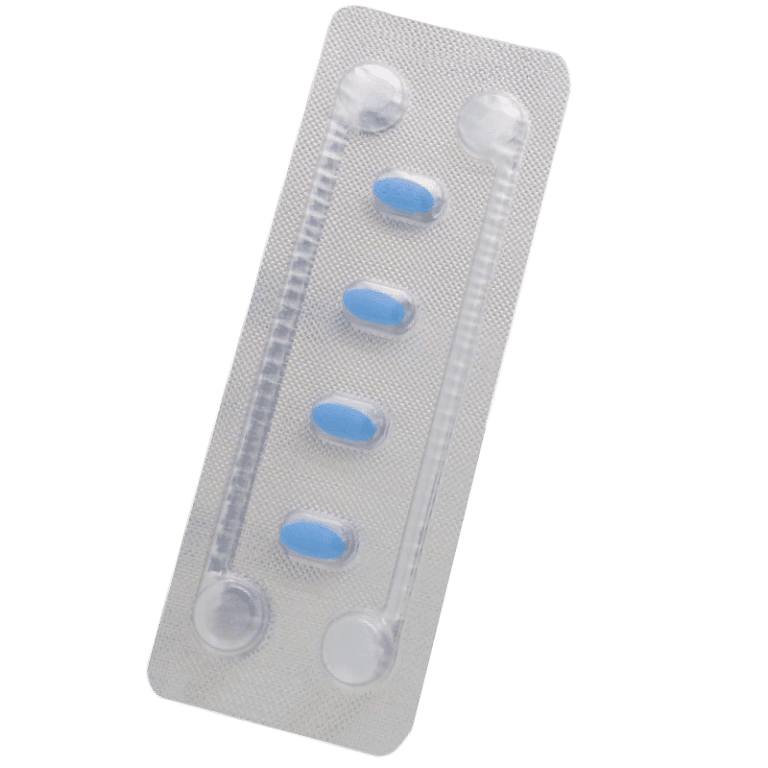
Oxybutynin is available in three different doses: 5 mg, 10 mg, and 15 mg extended-release tablets, although we only supply the 5 and 10 mg doses. Extended-release tablets are absorbed slowly throughout the day, allowing the effects of the medicine to last longer. This way, you’ll only need to take one or two pills a day (depending on the dose).
Treated trusted source:
- Dwyer J, Tafuri SM, LaGrange CA. Oxybutynin. [Updated 2023 Aug 17]. In: StatPearls [Internet]. Treasure Island (FL): StatPearls Publishing; 2025 Jan.
How we source info.
When we present you with stats, data, opinion or a consensus, we’ll tell you where this came from. And we’ll only present data as clinically reliable if it’s come from a reputable source, such as a state or government-funded health body, a peer-reviewed medical journal, or a recognised analytics or data body. Read more in our editorial policy.