What is Colchicine?
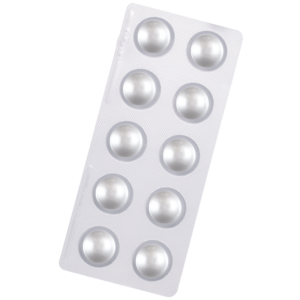
Colchicine is a daily tablet for gout. It’s the synthetic version of a naturally occurring compound found in a plant called autumn crocus (Colchicum autumnale).
Colchicine can be used short-term to treat gout flare-ups and, in lower doses, for long-term gout management.
How does Colchicine work?
Colchicine belongs to a class of medications called anti-gout agents and works by reducing inflammation caused by too much uric acid in your body.
Gout usually shows up as swollen, painful, and red joints (typically at the base of your big toe), caused by needle-like deposits of uric acid. These form when there’s an excess of uric acid in your body that builds up in your joints, skin, or kidneys.
The exact mechanism by which colchicine reduces swelling isn’t fully known, but it’s thought to interfere with the inflammasome complex, present in cells that trigger your body’s inflammatory response.[1]
What are the side effects of Colchicine?
A full list of side effects is included in the patient package insert that comes with your medication. But some of the most common side effects of Colchicine are:
- Diarrhea
- Nausea
- Vomiting
- Stomach upset
You may be predisposed to infections while taking Colchicine, because the medicine lowers the number of white blood cells (cells that play a key role in your immune system). So it’s generally a good idea to avoid contact with people who might have various infections.
These side effects don’t happen to everyone who takes the medication, but if they happen to you or you’re worried about anything else, you should talk to your doctor.
What is Colchicine used for?
Colchicine is used to alleviate the inflammation and pain associated with gout. But it’s important to remember that Colchicine isn’t a general pain reliever. It works by targeting the specific inflammation linked to gout and treats the pain associated with it, but it won’t work for most other types of pain.[2]
Colchicine can also be used to treat Familial Mediterranean Fever (a genetic disease that causes repeated bouts of fever and inflammation in the joints, abdomen, or chest). It can also help lower the risk of serious problems like heart attacks or strokes in people with various risk factors for heart disease.
What doses of Colchicine are there?
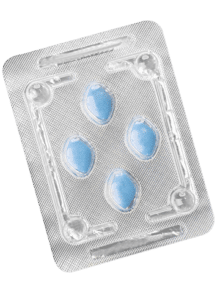
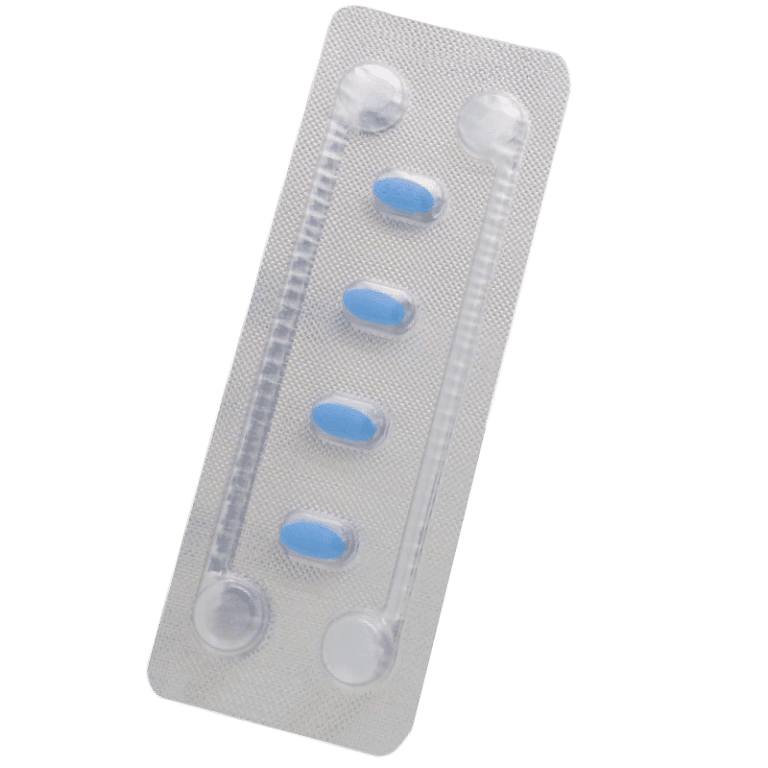
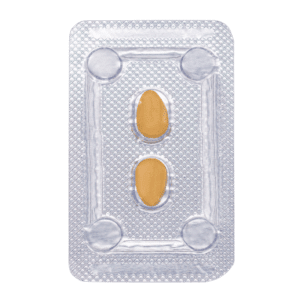
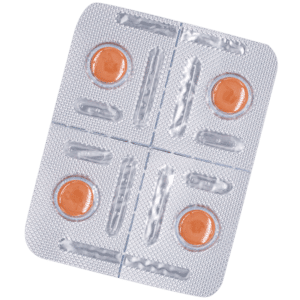
Colchicine is available as either oral tablets or capsules, each containing a dose of 0.6mg.
For preventing gout flares, the usual dose is 0.6mg once or twice a day, with a maximum of 1.2mg daily.
To treat a gout flare, the recommended dose is 1.2mg (two tablets) at the first sign, followed by 0.6mg (one tablet) an hour later. The maximum dose for treating a flare is 1.8mg within one hour.
How we source info.
When we present you with stats, data, opinion or a consensus, we’ll tell you where this came from. And we’ll only present data as clinically reliable if it’s come from a reputable source, such as a state or government-funded health body, a peer-reviewed medical journal, or a recognised analytics or data body. Read more in our editorial policy.